
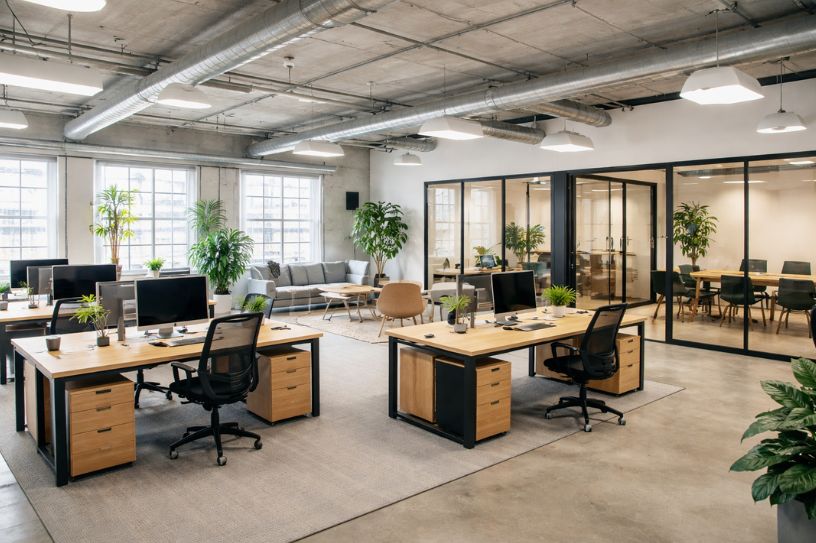
For most founders, office design actually comes after funding, hiring, along with operations. However the truth is, your workspace silently shapes all these three. The way desks are arranged can affect the communication, poor lighting drains energy, while a rigid layout can slow down a growing team.
So, startup office interior design should always be approached as a planning decision, not a last-minute setup task. When it gets done properly, it helps you control costs, use space efficiently, and create such an environment that supports both focus as well as collaboration.
In this blog, you’ll explore how to plan your office requirements, manage your budget wisely, and choose layouts that fit your work style. Furthermore, you’ll also find practical startup office design ideas, essential insights on furniture that can help you build a workspace that supports real growth.
Understanding Your Office Requirements
An effective office is always begun with a clear idea of how your office is working and what they really require to work effectively. An effective interior design of a startup office is the alignment of space with workflow, removal of distractions, and making every single area valuable. Having your requirements planned in advance saves you time, it saves you money, and it provides you with a workspace that facilitates collaboration, concentration and development. The following are the major areas to consider:
-
Evaluate Team Requirements: Determine the level of collaboration vs focus that is precisely needed.
-
Define Work Zones: Allocate areas for workstations, meetings, along with informal discussions.
-
Plan for Growth: Design to be able to expand in the future with growth of the team.
-
Utilize Multi-Functional Spaces: Spaces that can be changed to different uses.
-
Focus on Productivity: Ensure every square foot of your space is used efficiently and adds value.
Smart Budget Planning for Startup Offices
Budget planning is crucial for startups. Smart startup office interior design focuses on increasing productivity and efficiency while keeping costs under control. Also, it ensures every expense adds value as part of a well-planned smart office design approach. Key areas to focus on include:
Set a Realistic Interior Budget
First, break your budget into various categories such as furniture, lighting, technology along with branding. Through clear allocation, you can prevent overspending and help prioritize essential elements for a functional workspace.
Cost-Saving Interior Design Tips
Always opt for modular, multi-use furniture and durable materials. Just use natural light, LED lighting, along with repurpose existing items in order to save costs without compromising quality.
Where to Spend vs Where to Save
Make investment in essentials like furniture, lighting, along with technology. Save on decorative items or even over-customized pieces that don’t straight improve productivity or comfort.
Choosing the Right Office Layout
The layout of your office actually plays a key role in how exactly your team makes interactions, keeps their focus, and grows. A well-planned startup interior design doesn’t just look good. Beyond that, it supports overall productivity, flexibility, along with future expansion. Choosing the right layout means understanding your team’s style of work, collaboration preference, and the type of tasks your business performs. Here are some factors:
Open Office Layout
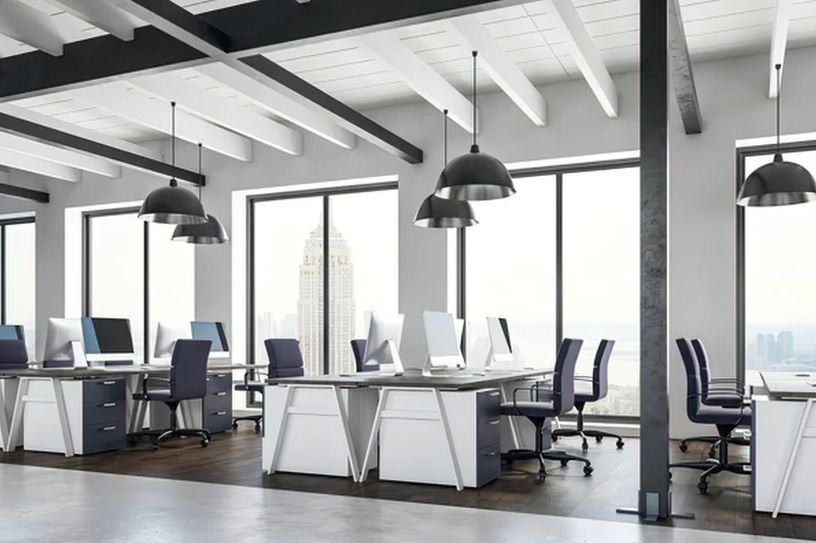
Open layouts remove barriers, and encourage communication and teamwork. They are perfect for small, collaborative teams. However, it needs planning in order to manage noise and distractions effectively.
Private Office Layout
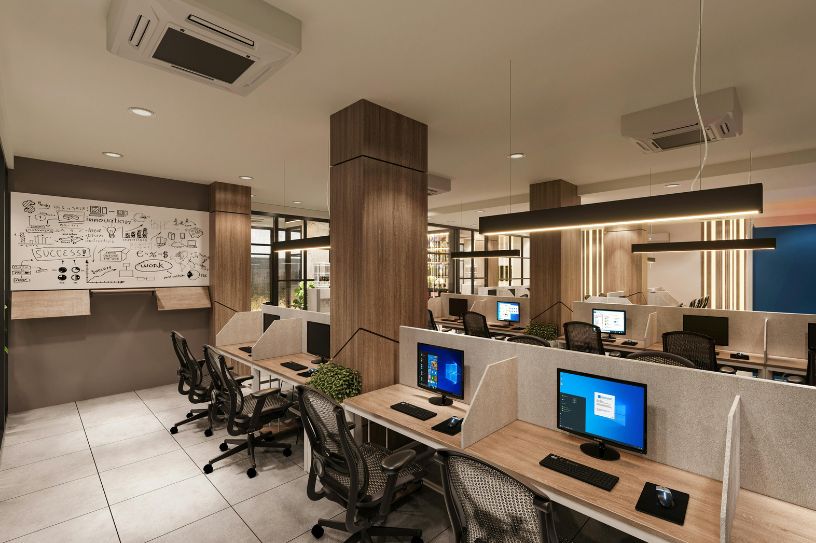
Private offices provide focused, distraction-free workspaces for roles that require concentration or confidentiality. While they limit spontaneous interaction, they boost productivity for specialized tasks.
Hybrid Layout (Best for Startups)
When it comes to hybrid layouts, it combines open areas with private zones, and provides the best of both worlds. Startups get benefits from flexibility, this is because teams can collaborate in open spaces and focus in quieter sessions.
Co-working Inspired Layouts
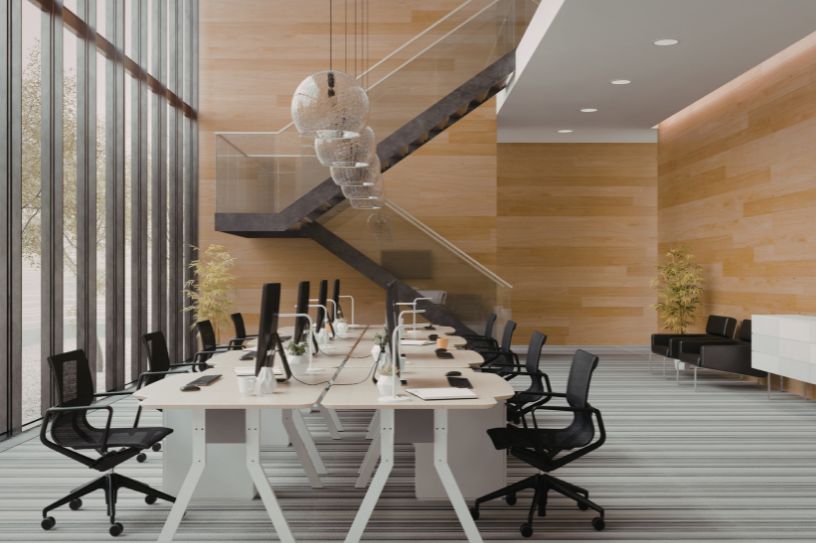
Co-working designs feature flexible seating, hot desks, along with shared areas, and allow dynamic use of space. Now, this approach is great for startups with evolving team sizes, or even a hybrid workforce.
Read More : Open vs. Closed Office Layouts: What Works Best
Essential Furniture for Startup Offices
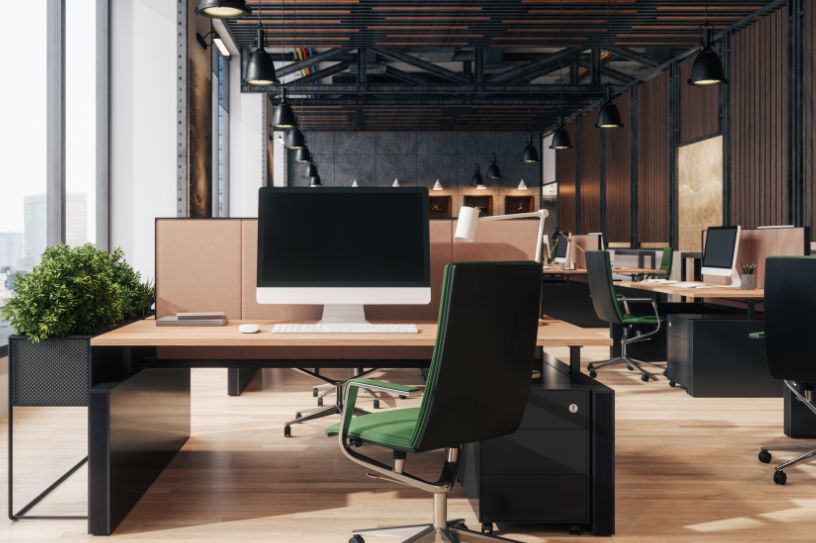
When it comes to furniture in a startup office, it should always be chosen with purpose. The perfect pieces improve comfort, save space, and support daily operations without adding unnecessary clutter. A practical startup office interior design focuses on functionality, flexibility, along with long-term usability:
Ergonomic Chairs and Desks
Ergonomic chairs and desks are really important for maintaining good posture and reducing fatigue. Adjustable height and proper lumbar support help employees work comfortably and be productive throughout the day.
Modular Workstations
Modular workstations offer flexibility as your team gets expanded. Modular workstations can be easily rearranged for an expanded team, and help you smartly adapt your layout without even major changes or even additional costs, making them a smart choice in office workstation design.
Compact Meeting Tables
Use compact meeting tables. This is because these tables are the perfect option for discussions and small team meetings. Furthermore, they save space and ensure functionality, especially in offices with limited area.
Storage Units
A well-planned storage unit keeps your documents, supplies, and equipment totally organized. This reduces clutter, improves accessibility, and helps you maintain a clean, efficient workspace.
Reception Furniture
Reception furniture actually sets the tone for your entire office. When you have a well-designed reception area, it creates such an impression that it's strong and provides a comfortable and functional space for your visitors.
Lighting & Color Psychology in Office Design
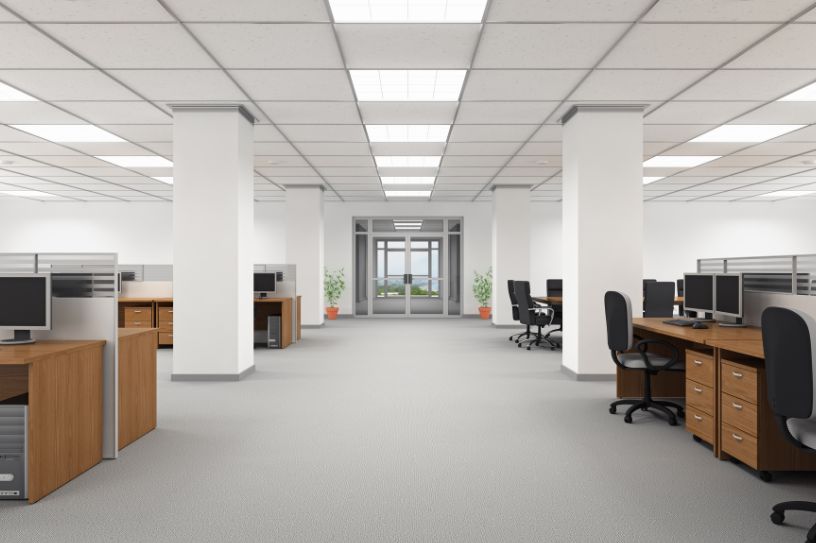
Lighting and color strongly influence focus, mood, as well as productivity. A smart office lighting design approach combines them to create a positive, efficient, and energizing workspace. Key factors to consider include:
Importance of Natural Lighting
Natural light boosts alertness, reduces eye pressure, and enhances mood. Place workstations near windows and use glass partitions in order to maximize daylight.
Artificial Lighting Tips
Combine ambient, task, and accent lighting. LED lights save energy, reduce glare, and create comfortable, productive work areas.
Best Colors for Startup Offices
Use blues and greens for focus, neutral tones for balance, and vibrant accents like orange or yellow in collaboration zones to inspire creativity in color office interiors.
Technology Integration in Modern Offices
Technology is actually no longer an add-on, it’s a core part of how exactly a modern office works. The tech in a startup should integrate well into its interior design to facilitate productivity, communication, and flexibility. This involves access to trustworthy high speed internet, smart meeting configurations coupled with conferencing applications, and easy access to power points in all work stations.
Moreover, cable management is also important to prevent cluttering and keep a clean workspace. Startups are also advised to look into cloud-based systems, wireless devices, and setups of hybrid workers to enable teams to work effectively, regardless of whether they are in the office or by working remotely.
Conclusion
A thoughtfully designed office can directly impact how your startup performs, grows, and is perceived. Here, the right balance of layouts, budget, furniture, and technology has the potential of a workspace that supports both people and processes. Rather than trial and error, it’s good to partner with an office interior designer. It’s because they ensure better results from day one. Serein Spaces specializes in creating efficient, scalable office environments that align with your vision and business goals.


