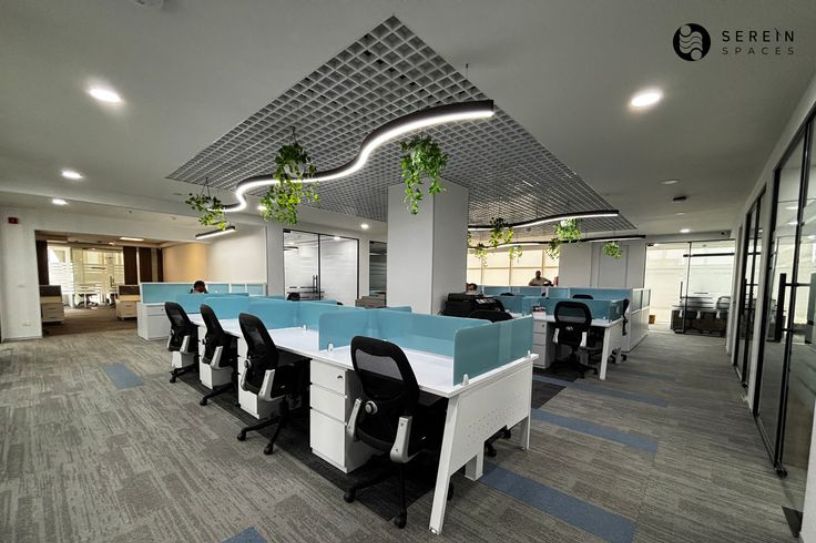
Designing a co-working space interior isn’t all about filling an area with workstations with meeting rooms. Actually, it starts with understanding how different people will utilize the space throughout the day and planning around those particular patterns. In 2026, it’s crucial to have a structured approach to shared workspace interior planning.
This is because it helps align visual design with everyday usability. Members no longer evaluate a workspace just by how exactly it looks. They expect such environments that support deep focus, easy collaboration, uninterrupted video calls, along with extended work hours, without even the space feeling cramped or affected by constant noise.
When you look closely at how to plan a co-working layout, the importance of details truly becomes obvious. Co-working flooring, lighting, as well as ergonomics directly make an impact on comfort, movement, and productivity. Furthermore, poor planning shows up quickly in the form of distractions, fatigue, and underused areas. In this guide, we’ll explain how thoughtful interior planning creates co-working spaces that really perform better and stay relevant over time.
What Defines a High-Performing Co-Working Space
A high-performing co-working space is indeed one more than just a collection of desks and chairs. It’s a carefully planned environment where every design decision includes layouts, lighting, furniture, as well as materials. These actually directly impact how people actually work, make interactions, and stay motivated. The 2 core aspects define such a space: functionality and aesthetic appeal.
Functional design drives productivity
A well-thought-out layout, clear zoning, as well as ergonomically chosen furniture perfectly help users work efficiently. When movement, circulation, and task-specific areas are planned properly, distractions are minimized, and focus naturally increases.
Aesthetic appeal strengthens branding and member retention
The look and feel of the space communicates your brand identity. Colors, textures, and overall design not only make the space visually inviting but also encourage members to spend more time there, improving engagement and loyalty.
Key features of a high-performing co-working space:
- Clear spatial zoning for perfectly focused work, collaboration, as well as relaxation.
- Ergonomic furniture that truly supports long hours of work.
- Optimal lighting and acoustics in order to lessen fatigue and distractions.
- Flexible layouts that adapt to team size and the type of activity.
- Thoughtful branding elements that give the sense of a memorable space.
Now, this combination of functionality together with design makes your co-working space that not just can be used, but also genuinely valued by its members.
Also Read This: Open vs. Closed Office Layouts
Step-by-Step Planning Checklist
| Step | Task | Key Considerations |
|---|---|---|
| 1 | Define User Personas | Identify who will use the space daily. Founders may need private cabins, freelancers prefer open desks, and teams require collaboration zones. Understanding user behavior helps shape the entire co-working space interior design guide. Just identify who will use the space on a daily basis. Founders always need private cabins, freelancers use open desks, and other teams require zones that make collaboration more easy. |
| 2 | Set Design Goals | Decide what the space should achieve. Is the focus on productivity, networking, or privacy? Because clear goals always prevent you from over design and help you align layout decisions with business outcomes. |
| 3 | Spatial Zoning | Always plan dedicated areas for workstations, meeting rooms, focus zones, and casual interaction. As proper zoning improves flow and ultimately ensures different work styles can coexist without even conflict. |
| 4 | Lighting & Acoustics | Balance natural light with task lighting in order to reduce eye strain. Acoustic treatments, soft finishes, and sound-proof panels help control noise in shared environments. |
| 5 | Furniture Selection | Select furniture according to ergonomics and flexibility. Use adjustable chairs, desk, heights, and modular pieces that support long work hours and dynamic sizes. |
| 6 | Tech & Connectivity | Plan power density, WiFi overage, and AV-enabled zones earlier. Perfect connectivity and power points that are essential for modern co-working operations. |
Design Elements That Matter Most
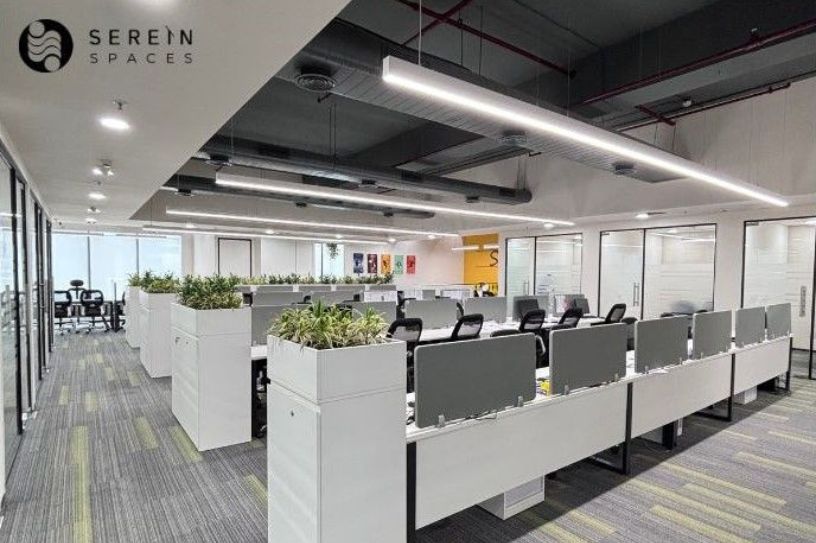
Ergonomics
- Adjustable chairs and high-appropriate desks support long work hours without even physical pressure.
- Proper monitor placement along with seating posture are also crucial. It reduces neck, shoulder, and back fatigue.
- Ergonomic planning enhances comfort, focus, and productivity in busy co-working environments.
Biophilic design for wellbeing
Natural lights, indoor plants, breathable materials, and subtle natural texture help reduce stress and mental fatigue, and improve concentration while creating healthier, more balanced co-working interiors.
Flexible seating areas
Modular furniture, movable seating, as well as casual lounge zones enable easy shifts between focused work and collaboration, and help the co-working space interior adapt to daily dynamic needs.
Read More : Top Corporate Office Interior Design Trends for Modern Workspaces
Common Mistakes to Avoid
Ignoring acoustics
One of the most common issues is ignoring acoustics. Poor sound control is a frequent issue in shared workspace. Without utilizing acoustic panels, soft finishes, or even zoning, noise travels very easily and affects focus, calls, and overall productivity in a co-working space interior.
Insufficient power outlets
Underestimating power requirements actually leads to cluttered desks and constant inconvenience. A well-planned co-working layout includes adequate sockets at workstations, meeting rooms, and common zones in order to support multiple devices.
Poor circulation flow
Inefficient movement paths create congestion and distractions as well. And, clear circulation planning among workstations, meeting rooms, and collaboration zones improve comfort, and keep the co-working space functioning smoothly.
2026 Co-Working Interior Trends
-
Modular furniture solutions
Desks, storage units, and seating that can be rearranged easily allow co-working spaces just to adapt to changing team sizes, events, and usage patterns without even redesigning the entire interior.
-
Private pod workstations
Sound-insulated pods are increasingly used for video calls, focused work, and private discussions, and offer privacy within open layouts and maintaining the utilization of space efficiently.
-
Hybrid meeting hub zones
Meeting areas are especially designed for both in-person and virtual collaboration that include integrated screens, cameras, and acoustic treatments, while supporting seamless interaction between on-site teams and remote participants. Otherwise, you can have interior design consultancy services to get beyond your expectations.
Frequently Asked Questions
-
What’s the ideal co-working space size?
There’s no fixed size for a co-working space. Effective layouts can even begin with around 3,000 sq. ft. and scale upward, based on efficiency of zoning, user combination, along with circulation planning.
-
How much does co-working interior design cost?
When it comes to costs, it depends on layout complexity, materials, furniture, and technology. Budget planning becomes easier when the design primarily focuses on functionality, durability, and long-term performance instead of short-term aesthetics.
-
What materials last longest in co-working interiors?
Commercial-grade flooring, high-density laminates, metal-framed furniture, as well as acoustic panels, are popularly being used for their durability, low maintenance, and ability to manage heavy daily usage.