Published: [original date] | Last Updated: July 2026
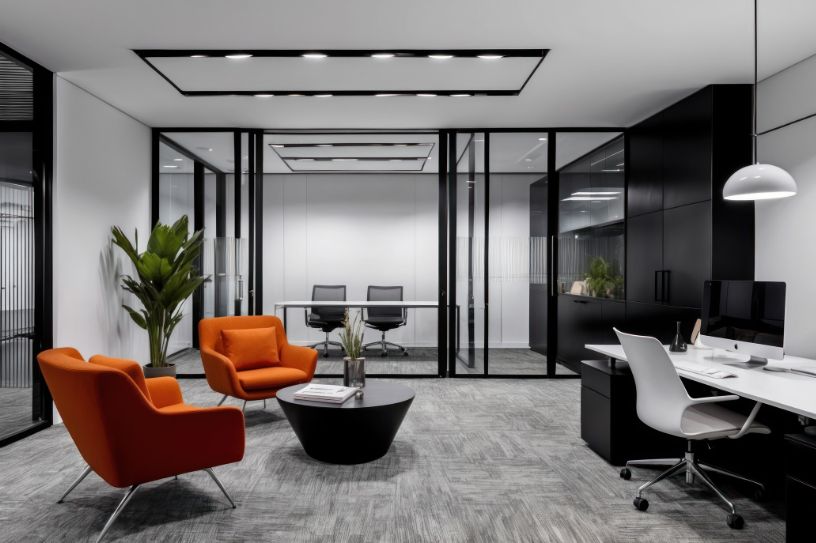
The way we utilize offices has changed completely. Employees move between focused work, team collaboration, virtual meetings, along with creative brainstorming all in a single day. Actually, traditional office layouts weren’t built for this type of flexibility; that’s exactly why office design interior ideas are evolving gradually in 2026.
When you have a well-designed office, it doesn’t just look good; it also supports how people actually work, helps the team to be productive, and creates an environment where employees feel truly comfortable and motivated.
In this blog, we’re going to have a look at numerous practical ways to rethink office interiors. From hybrid-ready layouts and smart office technology to ergonomic furniture, activity-based zones, as well as sustainable design solutions, these office interior ideas show exactly how businesses can create workspaces that are completely flexible, efficient, and ready for the demands of the modern workforce.
While our guide to corporate office design trends covers what's changing industry-wide, this article focuses on practical, ready-to-implement ideas you can apply to your own workspace today.
Why is Office Interior Design Changing in 2026?
Nowadays, workplaces aren’t just about filling space with just desks and chairs. Beyond that, they need to actually work for the people who are using them. As we approach 2026, office interiors change in response to new ways of working, evolving technology, along with the growing focus on employee well-being. Here are the main reasons that are driving this shift and why business are rethinking their office spaces:
-
Supporting Hybrid Work: With employees splitting time between home and office, spaces need to be really flexible. Think modular furniture, hot-desking, as well as collaborative zones that can adapt to different tasks and team sizes.
-
Smarter Technology in Workspaces: Modern offices are truly becoming smarter with AI, IoT, and smart meeting systems. These tools help control lighting, climate, and occupancy, and make the office even more efficient and easier to work in.
-
Employee Health and Productivity:Nowadays, designs prioritize well-being. Ergonomic furniture, natural light, greenery, and quiet zones all help reduce stress, improve focus while creating a more productive and engaging environment.
-
Sustainability and Adaptability: Future-ready offices use eco-friendly materials, energy-efficient systems, and layouts that can perfectly change as the team grows. Now, this reduces costs, supports the environment, and keeps spaces relevant over time.
Top 10 Office Interior Design Ideas Shaping Workspaces in 2026
Modern workplaces are evolving rapidly, driven by changing work habits, technology, and employee expectations. As businesses adapt to flexible work models, office interiors are becoming more functional, collaborative, and people-focused. Here are the top office interior design ideas shaping workspaces in 2026, starting with hybrid-friendly layouts.
1. Hybrid-Friendly Office Layouts

Hybrid work has actually changed the way offices are used. Flexible layouts, hot-desking, along with collaboration zones allow employees to choose space according to their tasks. And this approach reduces wasted space, supports both individual and team work, and ensures the office functions efficiently, accommodating employees who split their time between home and office without compromising productivity.
2. Smart Offices with AI & Automation
Integrating AI and automation into office interiors perfectly streamlines daily operations. Everything, from smart lighting and climate control to occupancy sensors and automated scheduling, these features improve comfort, reduce energy use, and improve workflow. Furthermore, smart office design ensures that employees keep the focus on work, while technology handles environmental adjustments and operational tasks efficiently.
3. Sustainable & Eco-Friendly Office Design

Sustainability is not core to modern office interiors. So, utilizing energy-efficient lighting, recycled or modular furniture, and eco-friendly materials lessens environmental impact and operational costs. Sustainable office interior design not only supports environmental responsibility but also appeals to employees and clients who truly value eco-conscious workplaces, and this makes it a strategic alternative for all forward-thinking businesses.
Read More : How Office Interior Designers Transform Corporate Spaces
4. Biophilic Design for Employee Well-Being
Another design idea is Biophilic design for employee well-being. It brings natural elements into the office in order to improve well-being. When we use this design, we utilize indoor plants, green walls, natural lights, along with organic materials to help reduce stress, enhance creativity and promote focus.
Incorporating these elements actually creates a healthier and even more engaging environment, which contributes directly to productivity and employee satisfaction in modern office design strategies.
5. Activity-Based Workspaces

Activity-based layouts give distinct zones for different work activities, like focused work, collaboration, meetings, along with relaxation. Employees can choose spaces that perfectly suit their current tasks, and improve efficiency and engagement. Now, this flexible approach allows the team to adapt to dynamic work needs and support productivity while encouraging movement and variety throughout the workday.
6. Ergonomic & Wellness-Focused Furniture

Ergonomic furniture and wellness-focused solutions are essential for modern offices. Here, sit-stand desks, adjustable chairs, as well as wellness zones reduce fatigue, prevent discomfort, and enhance overall health. Integrating these elements into the office layout supports employee well-being, increases productivity, and reflects a commitment to creating a workspace that somehow values comfort and long-term health.
7. Minimalist Yet Functional Design
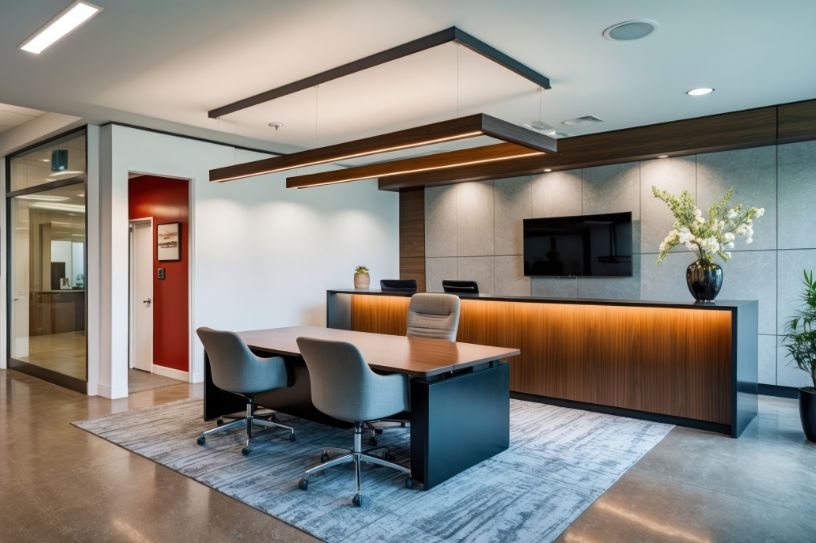
Minimalist office design focuses on simplicity and functionality. Clean layouts, organized storage, and uncluttered spaces reduce distractions, improve workflow, and create a professional, inviting atmosphere. Minimalist office interiors balance aesthetics with practicality, ensuring every element serves a purpose while maintaining an environment that encourages focus, clarity, and efficiency.
8. Technology-Integrated Meeting Rooms
Meeting rooms equipped with technology really facilitate seamless collaboration. Video conferencing, interactive display, and integrated connectivity allow both in-office and remote teams in order to participate without any obstacle. Technology-integrated rooms have the potential to improve communication, reduce meeting inefficiencies, and ensure that teams can collaborate without even technical interruptions, and this makes them a crucial part of future workplace design.
9. Brand-Centric Office Interiors

We all know, office design can reflect a company's identity and culture. So, incorporating brand colors, messaging, and visual elements reinforces values, motivates employees, and creates a memorable experience for clients and visitors. Moreover, brand-centric office interiors not only enhance aesthetics but also strengthen company culture and make the workplace feel purposeful, authentic, and authentic with the organization's vision.
10. Flexible & Modular Office Spaces

It’s true that flexibility is key in modern office design. Modular furniture, movable partitions, and multipurpose spaces enable offices to adapt as teams grow or projects change. Flexible office interiors always ensure that the workspace is functional, cost-effective, and future-ready, supporting long-term business needs and maintaining a comfortable and efficient environment for employees.
Read More : Latest Color Trends in Modern Office InteriorsLighting & Color Trends Shaping Office Interior Design in 2026
Lighting and color planning are becoming one of the most essential elements for modern interior design. This is because these elements indirectly influence productivity, mood, and space efficiency in future workspace design. Here are the trends:
-
Smart and Adaptive Lighting:
Smart lighting systems perfectly adjust brightness and temperature according to natural light and occupancy, and support smart office interiors and reduce energy consumption and visual fatigue.
-
Human-Centric Office Lighting:
Office lighting design now follows circadian rhythms, utilizing cooler tones for focused work areas and warmer lighting in collaboration and breakout zones in order to improve comfort and well-being.
-
Strategic Color Zoning:
Purpose-driven color pallets help define work zones, enhance concentration, support collaboration, and make office lighting and color design even more functional and engaging.
-
Brand and Space Alignment:
When you use brand colors thoughtfully within modern office interior design, it really reinforces identity and maintains a balanced, professional workplace environment.
Office Interior Design Ideas for Different Business Types
| Business Type | Office Interior Design Focus |
|---|---|
| Startups & Co-Working Spaces | Flexible layouts, modular furniture, shared work zones, and smart office interiors that support collaboration, growth, and cost efficiency. |
| Corporate Offices | Structured zoning, ergonomic furniture, brand-centric interiors, and technology-integrated meeting rooms for smooth workflows and professional operations. |
| IT & Creative Agencies | Activity-based workspaces, creative zones, biophilic elements, and adaptable layouts that support innovation, focus, and teamwork. |
| Small Office Spaces | Minimalist yet functional design, smart storage solutions, natural lighting, and multi-purpose furniture to maximize space and efficiency. |
Benefits of Modern Office Interior Design in 2026
Office spaces are expected to work harder than ever before. They actually need to support overall productivity, adapt to dynamic work styles, and create such an environment where employees feel really comfortable and motivated. That’s exactly where modern office interior design plays a meaningful role.
-
Helps People Work Better
Thoughtful layouts, ergonomic furniture, along with balanced office lighting and color design, reduce distractions and fatigue, and make it easier for teams to be competitive.
-
Fits Hybrid Work Naturally
Hybrid office design and smart office interior allow in-office and remote teams in order to collaborate smoothly, especially during meetings and shared projects.
-
Supports Health and Comfort
Biophilic elements, natural light, and wellness-focused furniture always contribute to a healthier workplace that reduces stress and improves daily comfort.
-
Uses Space More Wisely
Future workspace design is all about flexible layouts and modular planning, and helps offices adapt as team and work patterns change.
-
Reflects the Brand Clearly
Interior design strengthens company culture by aligning the workspace with brand values and creating a positive experience for employees and visitors.
How to Choose the Right Office Interior Design Ideas for Your Business?
When it comes to choosing the right office interior design ideas, it truly goes beyond appearance. The goal is to create a workplace that supports productivity, reflects work culture, and adapts as the business grows:
Office Size and Work Culture
Initially, understand how your team works daily. Smaller offices need smart zoning and multifunctional spaces. On the other hand, teams benefit from clearly defined areas for focus, collaboration, along with meetings. Work culture really plays a key role in shaping the layout.
Budget Considerations
Then, set a budget that prioritizes long-term value. If you invest in ergonomic furniture, efficient lighting, and flexible layouts, it helps reduce future redesign costs and support comfort and productivity.
Business Goals and Future Expansion
Plain interiors with growth in mind. Modular furniture and adaptable layouts allow offices to evolve as teams expand or even work models change, ensuring long-term usability.
Role of Professional Office Interior Designers
Experienced office interior designer companies actually bring expertise in planning, compliance, and efficient space utilization. Partnering with professional office interior design companies help avoid costly mistakes and ensures the workspace is functional, scalable, and aligned with business goals.
Frequently Asked Questions
Q1: What is the biggest office design trend for 2026?
A: Hybrid-friendly layouts combined with smart, AI-driven technology are the leading trend, as offices adapt to flexible work patterns.
Q2: How can small businesses apply these design ideas on a budget?
A: Start with minimalist, multi-functional furniture and biophilic touches like plants and natural light, which offer high impact at low cost.
Q3: Is sustainable office design more expensive?
A: Not necessarily - many eco-friendly materials and energy-efficient systems reduce long-term operating costs despite a slightly higher upfront investment.
Q4: How do I choose the right office design idea for my business type?
A: Match the design to your work culture - activity-based zones for creative teams, structured zoning for corporate offices, and modular layouts for growing startups.
Conclusion
Office interior design in 2026 is really no longer driven by trends alone. It’s shaped by how people work, collaborate, and grow within a space. Every design, from hybrid office design and smart office interiors to sustainable office interior design and thoughtful lighting and cloning, modern offices are becoming more adaptable and employee-focused.
The right design choices enhance productivity, support well-being, and ensure that the workspace is functional as businesses need expansion.
When you apply practical office design ideas and align them with future workspace design principles, businesses can create such an environment that truly supports performance and growth. Partnering with experienced commercial interior designers in Noida and professional office interior design companies ensures a workspace that remains functional, efficient, and future-ready.
Ready to bring these ideas to life? Explore our office interior design services or view our recent projects.