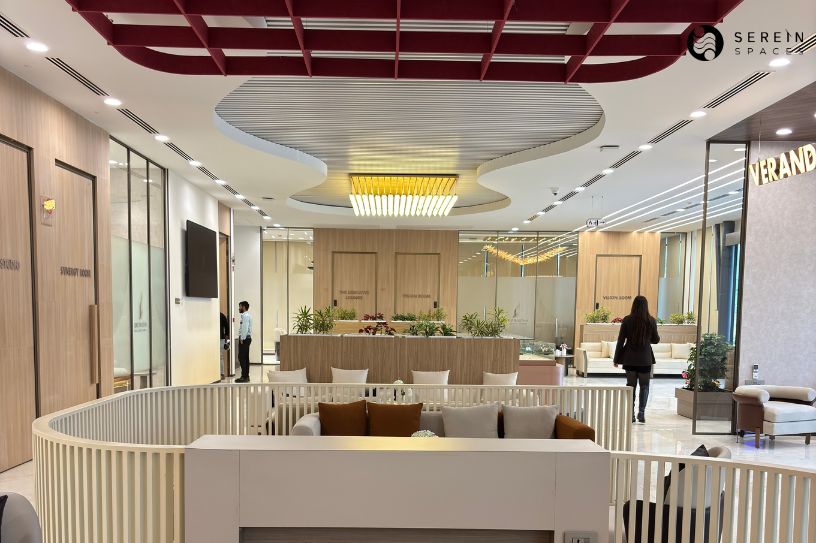
A productive office is just like a perfectly organized library. When each and every book is in its right place, then finding information is really easy, quick, and the space truly feels calm and efficient. On the other hand, in a messy library, people have to waste their time searching, distractions pile up, and even simple tasks take too long. Smart office designs perfectly bring that exact level of order and purpose to the workplace. Just by blending ergonomic office design, strategic office space planning, and technology-enabled office design, it creates such an environment where work flows naturally.
Here, employees can strongly focus, collaborate seamlessly, and make the decision even faster, without even fighting the space around them. In this blog, we’re going to explore exactly how smart workplace design completely transforms daily workflow, boosts productivity, and enhances business efficiency. Moreover, you’ll discover modern design solutions that truly do more than just look good; beyond that, they actively support performance and employee well-being.
What is Smart Office Design?
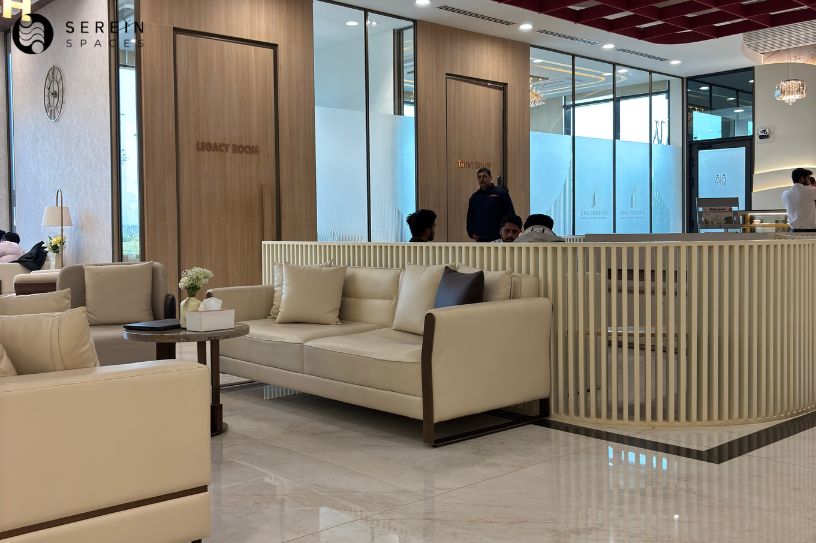
Smart office design is a strategic way of shaping workspaces so they actively support productivity, collaboration, and employee well-being. It is not about adding gadgets or following design trends. It starts with understanding how people move, communicate, and focus during the workday.
A well-executed office design interior aligns layout, ergonomics, acoustics, office lighting design, and technology to reduce daily friction. By combining ergonomic office design with smart workplace design principles, businesses create environments where work feels more intuitive and less exhausting. This approach turns the office into a functional asset that improves workflow, decision-making, and long-term efficiency.
Key Elements of a Smart Office
The success of a smart office lies in its core elements, each designed to optimize workflow, comfort, and efficiency:
-
Intelligent Space Zoning: Numerous dedicated areas for focused work, collaborative sessions, meetings, as well as relaxation ensure teams operate without even unnecessary interruptions, and boost overall productivity.
-
Ergonomics and Employee Comfort: Desks with adjustable features, supporting seating, proper screen positioning, along with balanced lighting, prevent fatigue and support long-term health.
-
Technology Integration: Everything, from digital collaboration platforms and automation tools to smart lighting and climate control, technology streamlines work and supports real-time communication.
-
Flexibility and Adaptability: Modular furniture as well as dynamic layout, allow spaces in order to evolve with team growth, project needs, and dynamic workflows.
-
Acoustic and Visual Management: Soundproofing, quiet zones, and some visual buffers lessen distractions and allow employees to focus more effectively.
-
Wellness and Biophilic Features: Natural light, indoor plants, and wellness-oriented areas improve mental health, creativity, and engagement.
-
Data-Driven Insights: Sensors and analytics give actionable insights on space utilization, workflow bottlenecks, and energy efficiency, and enable continuous.
Traditional Office vs Smart Office Design
| Aspect | Traditional Office | Smart Office |
|---|---|---|
| Layout & Space | Fixed desks, rigid cubicles, wasted space | Flexible zones for focus, collaboration, and meetings |
| Comfort & Ergonomics | Standard furniture, poor lighting | Adjustable desks, supportive chairs, balanced lighting |
| Technology | Added later, inconsistent | Integrated digital tools, automation, smart lighting & climate |
| Collaboration | Accidental, limited | Dedicated pods and breakout areas for smooth teamwork |
| Flexibility | Hard to adapt | Modular layouts, scalable for growth |
| Well-Being | Minimal focus | Natural light, biophilic elements, quiet and wellness zones |
| Productivity | Inefficient, friction-heavy | Streamlined workflow, reduces interruptions, improves efficiency |
How Office Design Influences Daily Workflow?
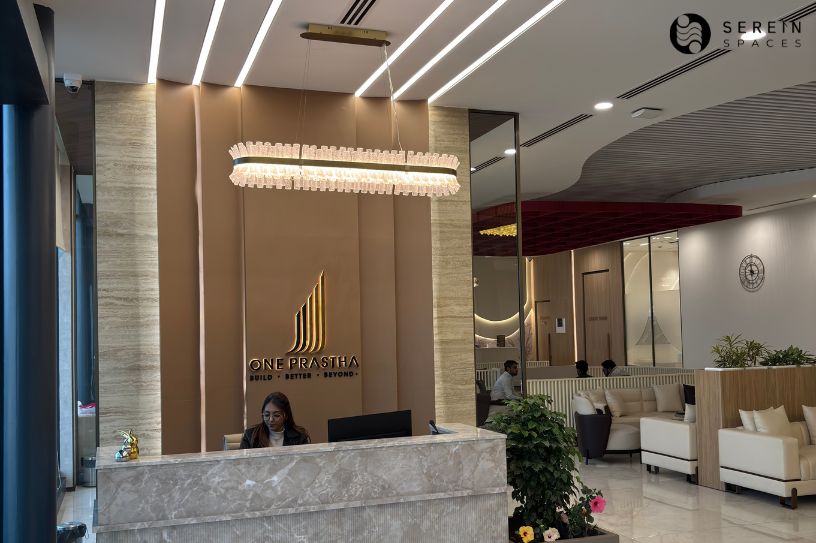
Actually, the design of an office directly impacts how efficiently work gets done. Smart office design layout, ergonomics, technology, and office table designs work together to eliminate friction, improve focus, allow seamless collaboration, and turn the workspace into a productivity-driven environment:
-
Optimized Movement and Accessibility: Thoughtful layouts and clear pathways waste time moving between desks, meeting rooms, and collaboration zones, and allow employees to smoothly transition between tasks.
-
Dedicated Work Zones: Focus zones, collaboration areas, meeting rooms, and breakout spaces truly help employees switch between individual work and teamwork efficiently, minimize distractions, and enhance overall productivity.
-
Ergonomic and Comfortable Design: Adjustable desks, supportive chairs, perfectly balanced lighting, and proper screen placement reduce fatigue and physical strain, and allow employees to be strongly focused and energized throughout the day.
-
Integrated Technology: Technology integration is also another factor. Smart scheduling tools, digital collaboration platforms, and automation simplify workflows, accelerate decision-making, and ensure teams can communicate and coordinate effortlessly.
-
Environmental Comfort and Well-Being: Also, acoustic management, natural lighting, biophilic elements, and visually calming interiors improve concentration, reduce stress, and ultimately create a healthier and even more productive work environment.
Role of Smart Office Design in Business Efficiency
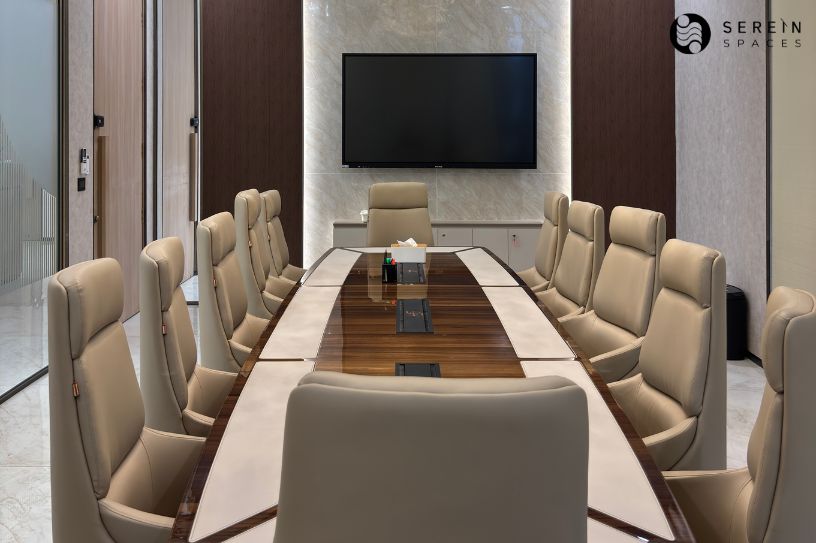
A smart office isn’t just about stylish interiors. It directly influences how exactly a business operates. By combining ergonomic office interior design, office space planning, as well as technology-enabled solutions, it creates such a workspace that truly supports employees, improves processes, and drives tangible efficiency. Here are some of its major roles:
Maximizing Productivity Through Comfort:
Ergonomic furniture, proper lighting, and well-planned layouts reduce physical strain and fatigue. Employees can properly maintain their focus for longer periods, which improves output and minimizes mistakes, and makes the whole office a true engine for productivity.
Smoother Team Collaboration:
A smart office actually functions like a well-planned group project. When everyone knows where exactly to sit, discuss, and work quietly, things move more smoothly and faster. With smart workplace design, collaboration zones are placed where teams can talk freely, while focus areas are undisturbed. Now, this reduces repeated discussions, miscommunication, and movement that slows down daily work.
Quicker Decision-Making and Execution:
Just think of a manager’s day when meetings start on time, screens connect instantly, and files are easy to access. That’s really what technology-enabled office design enables. Whenever meeting rooms, digital tools, along with shared resources are readily available, teams can easily move from discussion to decision without even delays caused by setup issues or missing information.
Workflows That Adjust Easily:
A smart office is just like a flexible work schedule. When priorities get changed, you adjust without any stress. Through smart office space planning and adjustable layouts, teams can recognize seatings, meeting areas, or even project spaces without interrupting daily operations, and keep work efficient even during change.
Technology as the Backbone of Smart Offices
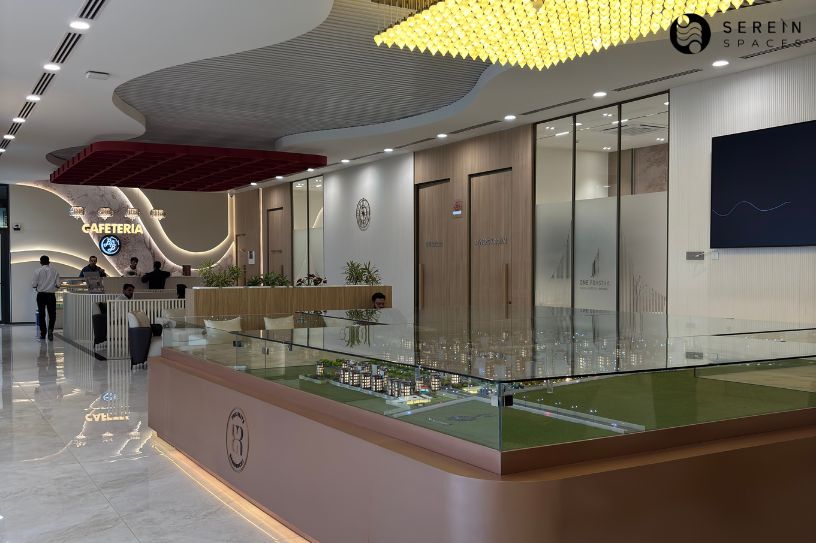
Technology lays the quiet foundation of smart office design, working just behind the scenes in order to simplify daily routines and improve efficiency without even adding complexity. Smart lighting systems automatically adjust according to natural light and occupancy, help reduce eye strain, and maintain consistent focus throughout the day. Furthermore, climate control works the same way; it adapts temperature to how spaces are actually used, so that teams are comfortable without adjusting manually or wasting energy.
Digital collaboration and automation tools further strengthen smart workplace design by removing common friction points. Meeting rooms equipped with wireless presentations, video conferencing, and automation scheduling enable team members to start their discussions instantly, just like walking into such a workspace that’s already prepared for you.
When technology is integrated thoughtfully into office design and interior planning, it supports smoother workflows, faster collaboration, and office design for productivity that really feels effortless rather than forced.
Practical Tips for Implementing Smart Office Design
-
Plan Around Daily Workflows:
Before even finalizing any office design interior ideas, observe how the team actually works. Then, identify movement patterns, collaboration preferences, along with focus-heavy tasks in order to create office space planning that supports real routine, not assumptions at all.
-
Prioritize Ergonomics First:
Ergonomic office design isn’t an add-on. It’s necessary. So, invest in adjustable seating, proper desk height, and task lighting early to reduce fatigue and maintain consistent productivity throughout the day.
-
Choose Technology That Simplifies Work:
Always opt for technology-enabled office design tools that integrate easily. Here, smart lighting, meeting room automation, and collaboration tools should reduce setup time, not add learning curves.
-
Design for Flexibility and Growth:
Modern office design solutions should always adapt as the team evolves. Modular layouts and movable partitions allow quick changes without even disrupting daily operations.
-
Consider Turnkey Execution:
You can also consider turnkey execution. This is because partnering with turnkey consulting services helps align design, technology, and execution under one strategy and ensures a seamless transition to a completely functional smart workplace design.
Smart Office Design for Different Business Sizes
Startups and Small Offices
Smart office design helps startups maximize limited space through flexible layouts, ergonomic office design, and cost-effective technology that supports fast collaboration and focused work.
Corporate and Enterprise Offices
When it comes to larger organizations, smart office design streamlines numerous complex operations by combining structured zoning, advanced automation, and scalable office design solutions that support multiple teams efficiently.
Final Thoughts
Smart office design is really no longer just about how a workplace looks, but how effectively it supports people, processes, and growth. When space planning, ergonomics, and technology work perfectly and together, then businesses experience smoother workflows, faster decisions, and better employee well-being.
Investing in thoughtful office design and interior planning creates such environments that adapt to change instead of resisting it.
So, for organizations that are looking to implement smart, future-ready workspaces, partnering with experienced interior design firms in Noida ensures every design decision delivers long-term value and measurable business efficiency.