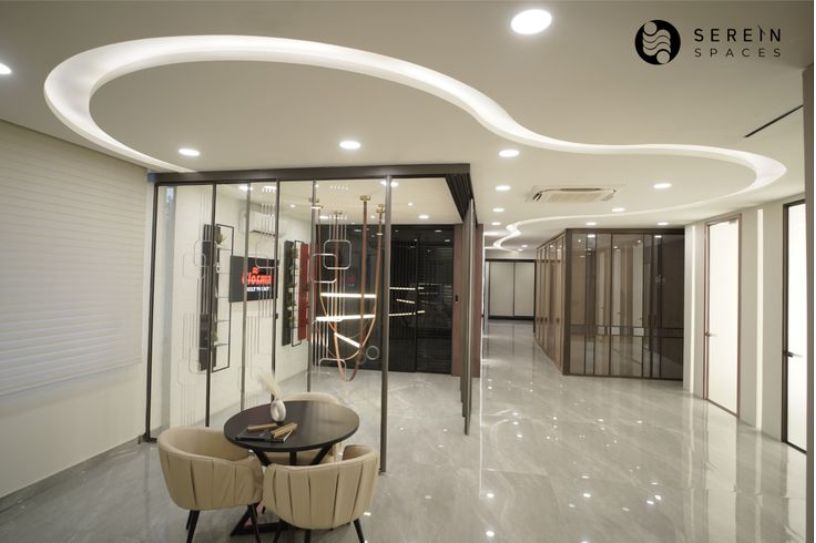
Light is truly more than just something that only brightens a space. Over and above that, it’s the secret ingredient that actually affects how people exactly feel, focus, and perform at work. The perfect office lighting design can really boost overall productivity, creativity, and energy throughout the day.
Just imagine a designer who struggles under harsh, flickering lights, eyes tired, focus slipping, and ideas slowing down. Now, imagine that same desk with soft task lighting, warm ambient lights around the office, along with lights streaming in through windows. Instantly, focus improves, energy rises, and work really feels easier.
Thoughtful lighting is the secret sauce of high-performing offices. This doesn’t just illuminate your space, it also creates such an environment where employees feel completely motivated, comfortable, and ready to do their best work.
Why Office Lighting Design Matters?
Lighting can make or even break the way people work. A poorly lit office drains energy, slows focus, and stifles creativity. On the other hand, smart office lighting design completely transforms into areas where employees stay productive, and energized all day. Here’s why lighting for office spaces matter:
-
Boosts Productivity:
Proper office light design prevents strain and fatigue on eyes, and helps employees to be focused and complete their tasks efficiently.
-
Encourages Creativity and Collaboration:
Balanced ambient and accent lighting in meeting rooms, breakout areas, along with lounges sparks ideas and enhances team work.
-
Supports Health and Comfort:
Thoughtful lighting design in office spaces perfectly aligns with natural rhythm, reduces stress, and enhances overall well-being.
-
Optimizes Every Workspace:
Everywhere, from desk to open areas, reception, and conference rooms, smart office light design ensures every zone is functional and inviting.
-
Energy Efficiency:
Modern lighting design for the office utilizes LED lights along with smart controls to lower energy consumption and maintain optimal brightness, a strategy widely recommended by commercial interior designers for efficient and sustainable workspaces.
Types of Office Lighting
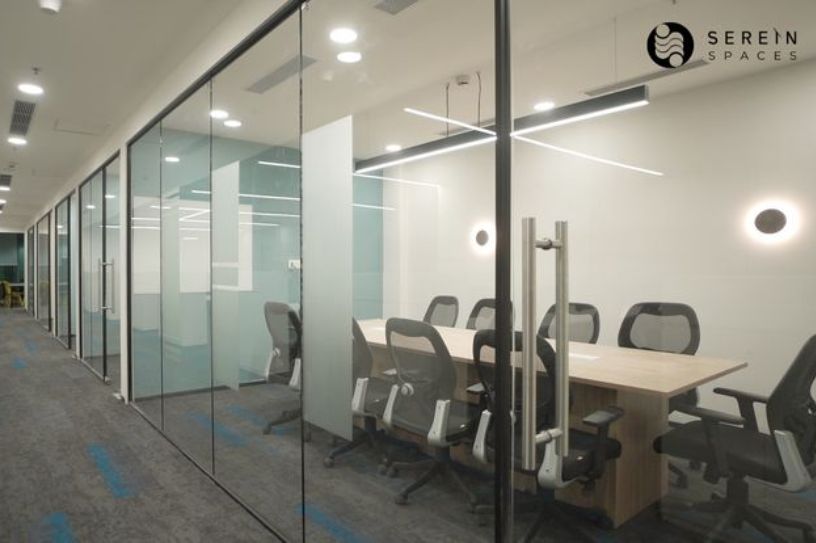
Every productive office always starts with the right lighting. So, understanding the types of lighting can help you design workspaces that truly boost focus, energy, and comfort:
Ambient Lighting
It’s the general illumination that actually lights up the entire office space. This lighting design forms the foundation of any office lighting design and provides uniform brightness and eliminates dark spots. If we talk about some common examples, ceiling-mounted fixtures, LED panels, or even recessed lights. Perfect ambient lighting ensures safety, reduces strain on eyes, and creates an environment that’s comfortable for all employees.
Task Lighting
Task lighting is primarily focused on light, especially designed for specific activities. It’s essential areas where work is performed with details, such as desks, conference tables, or sometimes design stations. Desk lamps, adjustable lights, or even under-cabinet lighting are preferred solutions.
Accent Lighting
Accent lighting is used to highlight particular features or areas in a workspace. Now, this type of lighting adds depth and visual interest, and emphasizes decor, artwork, signage, or other architectural features. Furthermore, accent lighting also subtly guides movement and creates a truly inviting space in reception areas or some breakout zones. In modern office lighting design, it completes ambient and task lighting in order to make the office feel dynamic and inviting.
Natural Lighting
Natural lighting is daylight that really enters the office through windows, skylights, or light wells. Natural light is actually proven to boost mood, lessen stress, and ultimately improve overall productivity. If we combine it with artificial lighting like LED office lights, it ensures consistent brightness throughout the day and lower energy costs. Thoughtful integration of natural light in office spaces gives healthier and more energizing work environments.
Read More : Top Office Interior Design Ideas for 2026
Smart Lighting Solutions for Modern Offices
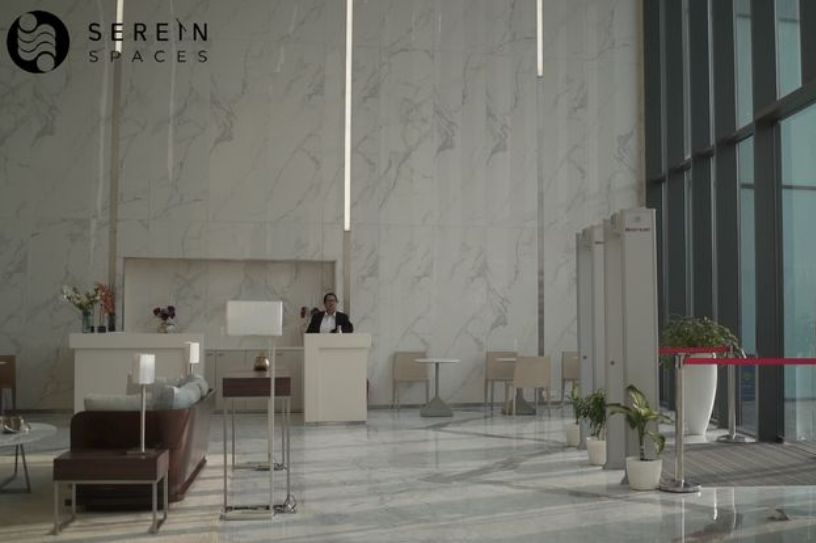
Modern workspaces are really becoming more dynamic, flexible, and technology-driven, as well as lighting needs to be maintained with this shift. Here are the smart lighting solutions that are shaping how office lighting design optimizes efficiency, comfort, and performance:
Automated Lighting Controls and Sensors
This solution focuses on controlling light based on occupancy and usage patterns. Sensors detect movement and presence, ensuring lights switch on when someone enters a space and turn off when it’s no longer in use. In a well-planned office lighting design, this creates consistent illumination in work areas while preventing unnecessary power consumption in meeting rooms, cabins, and shared spaces.
This solution actually focuses on controlling light according to occupancy and patterns of usage. Smart sensors identify movements and presence, and ensure lights switch on when someone enters a space and get turned off when these lights are no longer in use.
Energy-Efficient LED Lighting Systems
LED technology lies at the core of smart office lighting. LEDs give high brightness with less energy use and maintain their performance over long periods. These lights also support dimming and zoning, and smartly allow office light design to get matched with different tasks and moods. Now, this flexibility enhances visual comfort and significantly lowers maintenance and electricity costs.
Daylight Integration and Motion-Sensor Technology
It’s the solution that blends natural and artificial light intelligently. In this solution, we use Daylight sensors that measure available sunlight and then adjust indoor lighting in order to maintain a precisely balanced environment. When paired with motion sensors, lighting activates only when somebody is present. This approach to lighting design in office spaces improves employee comfort, supports natural circadian rhythms, and ultimately ensures energy is utilized throughout the day.
Lighting Design for Different Office Areas
Each part of an office serves a different purpose, and lighting should always support that purpose, instead of fighting with it. Below is how thoughtful office lighting design can be adapted for core areas of the office can be adapted in order to improve comfort, focus, and overall experience:
Workstations and Open Office Areas
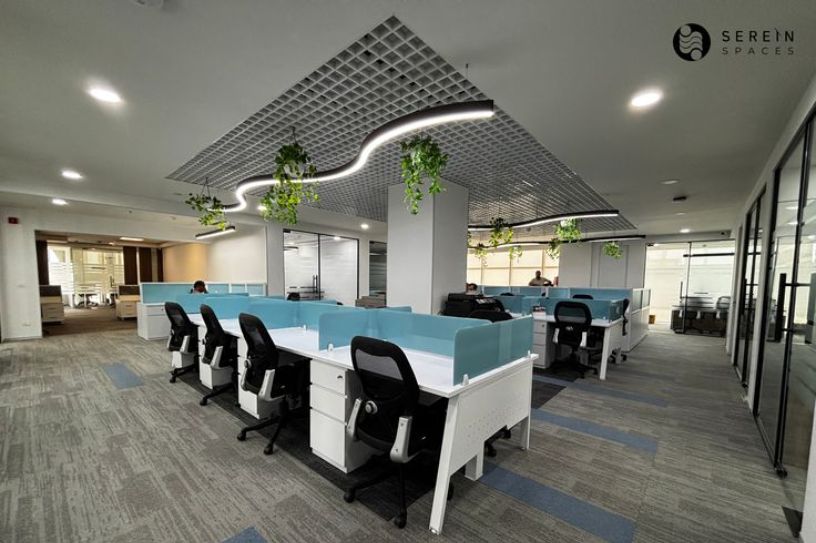
These spaces require consistent, glare-free lighting to support focused work. A combination of ambient lighting and adjustable task lights helps reduce eye strain while giving employees control over their immediate work environment:
Conference and Meeting Rooms
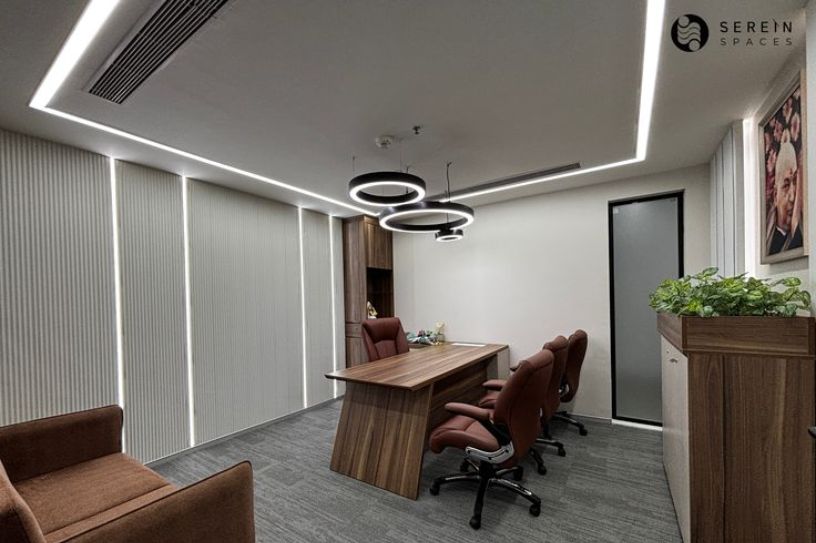
When it comes to conference and meeting rooms, they need adaptable lighting. Bright illumination works for discussions. On the other hand, dimmable choices are great for presentations and video conferencing. Well-planned office lighting keeps the space totally functional without even feeling harsh.
Reception and Waiting Areas
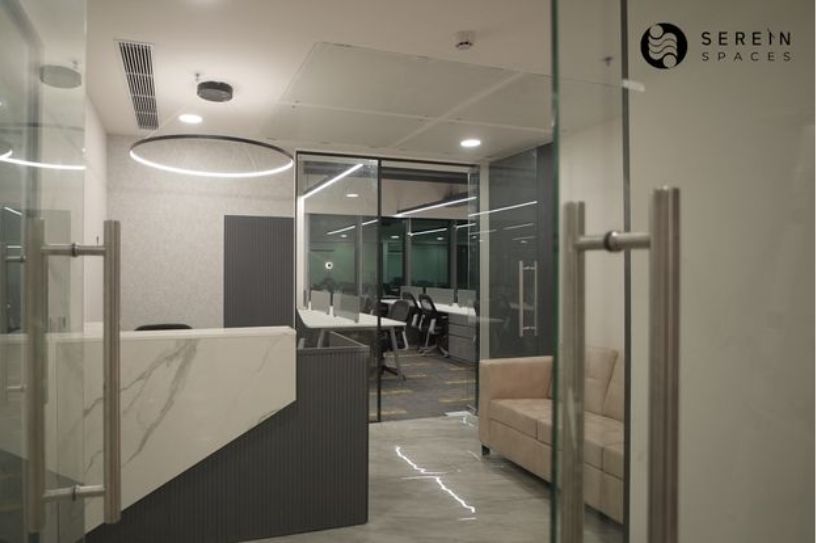
Lighting here creates the first impression. Warm tone combined with subtle accent lighting make the space to be welcoming, while highlighting branding elements through smart office lights design.
Breakout Zones & Collaboration Areas
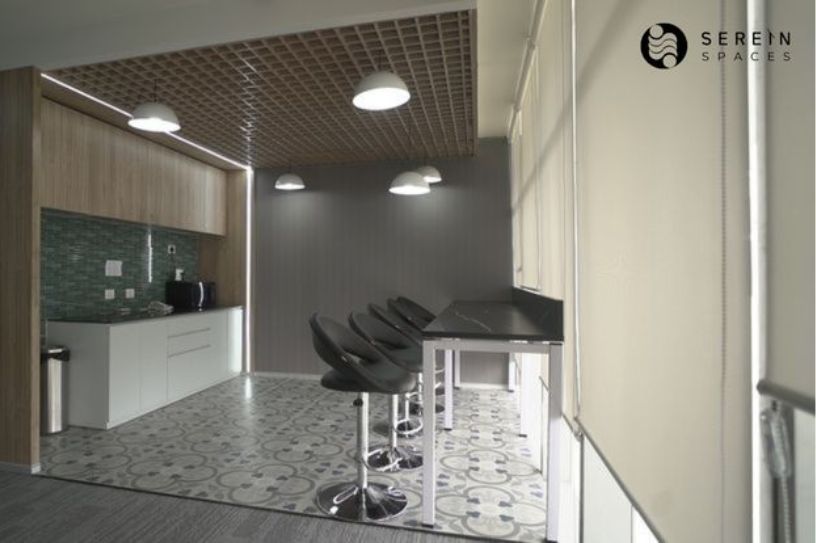
These areas benefit from softer, relaxed lighting that promote informal conversations and creative thinking. A warmer lighting design helps people unwind without compromising visibility.
Also Read This : Best False Ceiling Design for Office Interiors
Choosing the Right Office Lighting Color Temperature
Warm or cool lighting always leaves people unsure about what actually works best in an office. And, the right choice depends on how different color temperatures make an impact on focus, comfort, along with mood across various spaces. In order to remove this confusion, the key alternatives are explained clearly below, so that you can better comprehend where each one fits within your office:
Warm vs Cool Lighting Effects
Warm lighting creates a softer, more relaxed atmosphere, and makes it suitable for informal areas and spaces meant for short breaks. Cool lighting feels brighter and more energized. Furthermore, it helps improve alertness and concentration. In practical light design, warm tones encourage ease, while cool tones support productivity.
Best Color Temperatures for Productivity and Comfort
Workstations and open offices perform best with neutral to cool temperatures that make employees focus without causing eye strain. Warmer temperatures are the perfect for reception areas and breakout zones where comfort becomes a priority.
Balancing Natural and Artificial Light
Natural daylight changes throughout the day, so artificial lighting should adjust to maintain consistency. Cooler tones align well with daylight hours, while warmer lighting helps soften the environment as natural light fades. This balanced approach to lighting design in office environments improves visual comfort and supports healthier work rhythms.
Sustainable and Energy-Efficient Office Lighting Design Practices
Sustainable lighting is about using smarter systems that reduce energy use while keeping the workspace comfortable and functional. When planned well, office lighting design can lower costs and support long-term efficiency without affecting performance.
-
Use LED lighting as the primary source: LEDs need less power, these lights last longer, and reduce maintenance. It makes them essential for energy-efficient office lighting.
-
Create lighting zones instead of uniform brightness: If you prioritize zoning, it will allow lights only where they’re really needed, and improve efficiency, while supporting better light design.
-
Maximize natural daylight: Designing around daylight lessens dependency on artificial lighting and improves comfort in lighting design for office spaces.
-
Install occupancy and motion sensors: Sensors ensure lights operate only when spaces are in use and minimize energy waste.
-
Apply smart controls and dimming systems: Adjustable lighting always responds to time, task, and occupancy and keeps energy use completely balanced throughout the day.
Top Benefits of Lighting Design in Modern Offices
Here are the top benefits of lighting design for the office:
-
Boosts productivity and focus
Proper office lighting reduces eye strain and fatigue, and helps employees to be focused and perform better.
-
Enhances comfort and well-being
Thoughtful lighting design in the office aligns with natural rhythms and reduces stress and improves overall health.
-
Creates adaptable workspaces
Modern office lighting design allows dimming and zoning, while supporting focused tasks, meetings, and collaborative areas.
-
Elevates aesthetics and brand image
Smart lighting for the office highlights interior, reception areas, and architectural features, and creates a professional and welcoming environment.
-
Cuts energy use and costs
LED systems and smart controls always reduce electricity consumption and maintain optimal light quality.
-
Supports sustainability goals
Efficient lighting design for an office minimizes waste and promotes eco-friendly operations.
Conclusion
Lighting is more than illumination. Beyond that, it’s a key factor in productivity, comfort, along with the overall atmosphere of modern offices. From ambient and task lighting to smart LED systems and daylight integration, each element here plays a crucial role in creating efficient, welcoming, and visually appealing workspaces.
Thoughtful office lighting design always reduces energy costs, supports everyone’s well-being, and enhances every area, from workstations to breakout zones. For businesses that are aiming to elevate their office, it’s good to partner with the best interior designers in Delhi. They ensure a lighting plan that is functional, stylish, and aligned with the brand. Serein Spaces creates modern offices where every lighting choice is truly purposeful, sustainable, and designed to boost performance and comfort.