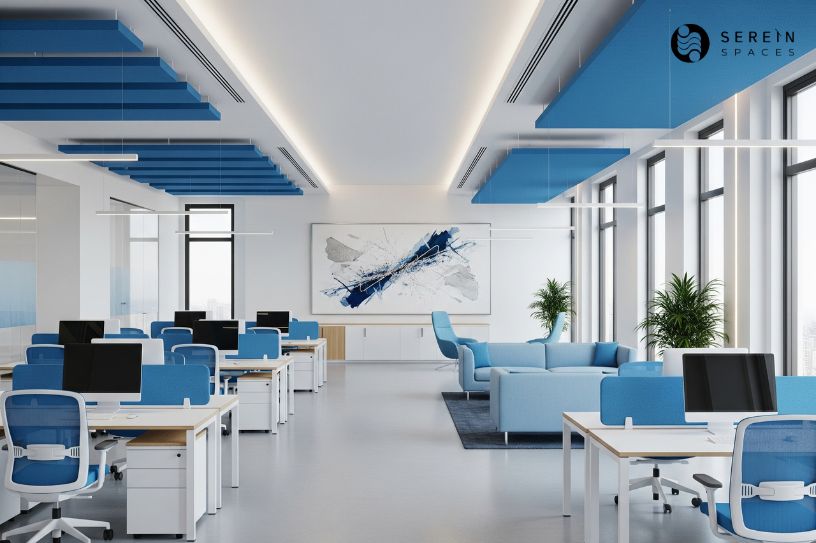
Numerous challenges inside an office don’t look like design problems at first. Over and above that, they actually appear as lost focus, inefficient meetings, or sometimes teams feel drained earlier than they really should. In reality, these issues mostly stem from workplaces that’s never planned around real working habits.
That’s exactly why the corporate office supports the way people think, move, and collaborate throughout the day. It precisely balances focus and interaction, comfort, and efficiency, flexibility, and structure. These designs truly bring together layout planning, ergonomics, lighting, acoustics, along with technology so that the space quietly enables productivity rather than working against it.
In this blog, we’ll explore 10 must-have features of a modern corporate office, and show how each design decision can add real value to workflows, employee experience, and long-term business growth.
Why Corporate Office Design Matters Today?
Corporate office design directly affects how efficiently people work, collaborate, and sustain energy throughout the day. When it comes to a well-designed office, it’s not about trends or luxury; Beyond that, it’s about removing everyday obstacles that quietly reduce performance. Here’s why it truly matters:
Why it truly matters:
-
Work efficiency depends on layout logic
Poor circulation, cramped desks, and unclear zoning slow down tasks while increasing mental fatigue during routine work.
-
Employee well-being impacts output
Ergonomic seating, visual control along with acoustic control prevent physical strain and help employees stay completely productive longer.
-
Collaboration needs intentional planning
If your office doesn’t have collaborative zones, then teams either disturb focused work or avoid interaction altogether.
-
Office design reflects operational maturity
A structured, professionally planned workspace shows your companies discipline, clarity, as well as long-term thinking to both teams and clients.
Top 10 Corporate Office Design Features
What truly makes a corporate office functional goes far beyond looks. Modern corporate office interior design trends focus on how people work, move, collaborate, and stay productive every day, ensuring the space supports real operational needs rather than just visual appeal.
1. Smart Space Planning & Layout
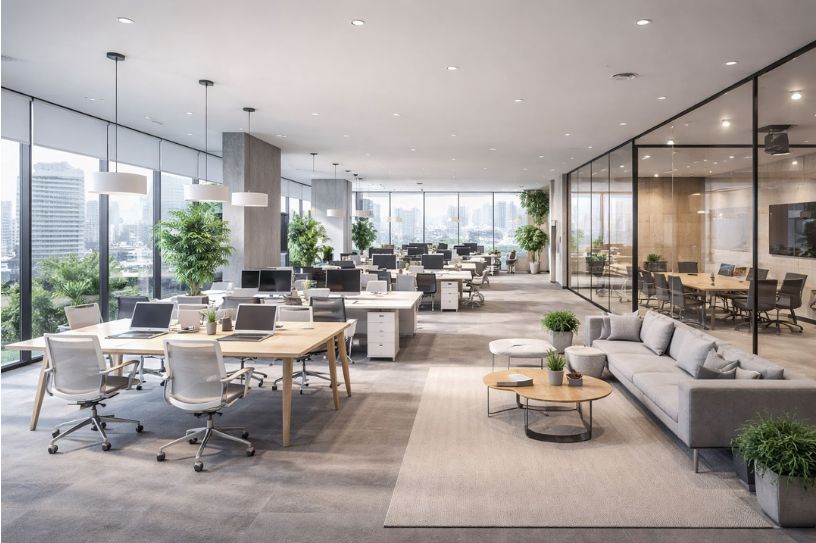
It’s the backbone of effective corporate office design. With smart office space planning, you can perfectly ensure smooth movement, clear zoning, and efficient utilization of every square foot. A well-planned corporate office layout helps your employee reduce distractions, improve their workflow, and prevent overcrowding as teams grow or change.
Many growing businesses work with experienced commercial interior designers in Noida to optimize office layouts for smooth circulation and long-term scalability.
2. Ergonomic Workstations
Comfort is no longer optional in modern workplaces. When you invest in ergonomic office furniture, it supports posture, reduces physical strain, and helps employees stay focused for longer hours. A well-planned ergonomic office interior design considers proper desk heights, supportive chairs, monitor alignment, and adjustable workstations as essential elements that directly improve productivity and long-term well-being.
3. Proper Lighting Design
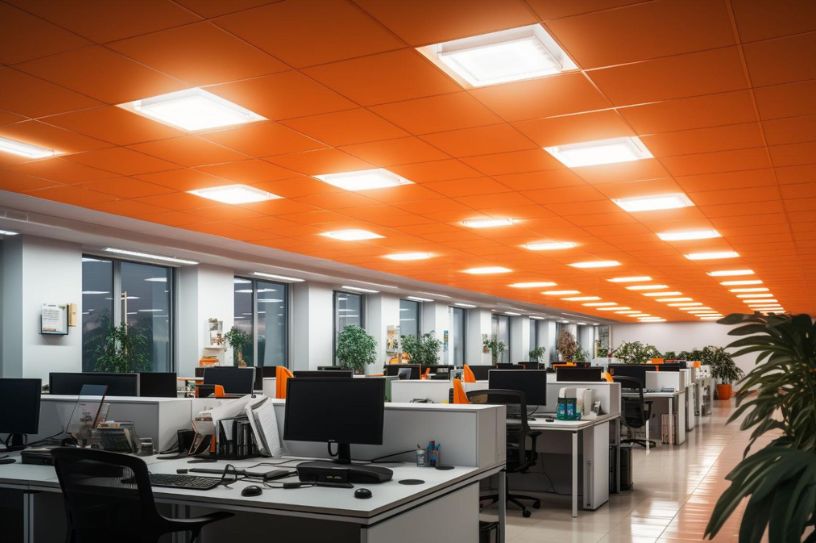
Actually, lighting has the potential to affect focus more than we realize. A balanced combination of natural light and layered artificial lighting prevents eye strain and fatigue. Moreover, thoughtful lighting design improves concentration, supports office design for productivity, and creates a working environment throughout the day.
4. Acoustic Comfort & Noise Control
Noise is one of the biggest productivity killers in offices. Effective office acoustics in corporate design utilize sound-absorbing materials, zoning, along with layout planning just to control noise without even isolating teams. Now, this creates such a space where focus and collaboration can coexist naturally.
5. Technology-Ready Infrastructure
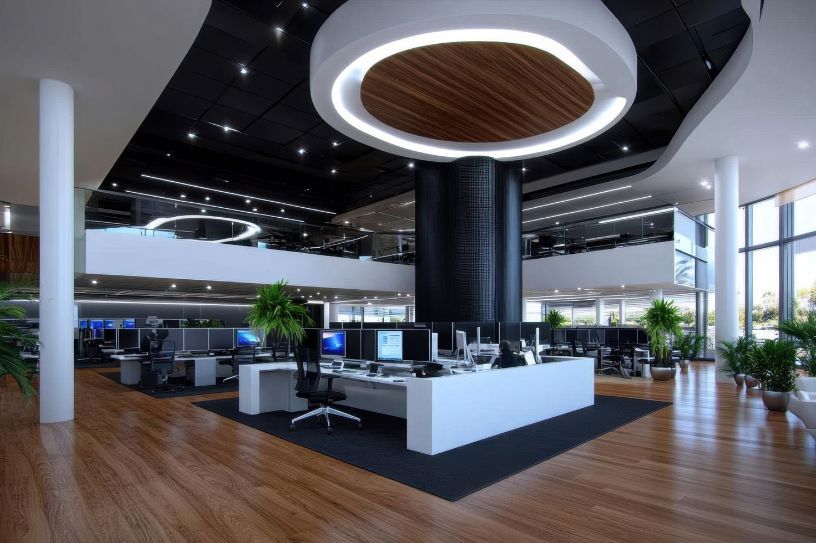
Modern offices totally depend on seamless technology. A technology-enabled office integrates power, data, and connectivity from the planning phase. It avoids cable clutter, supports hybrid work tools, while ensuring the workplace stays adaptable as digital preferences evolve.
6. Collaborative & Meeting Spaces
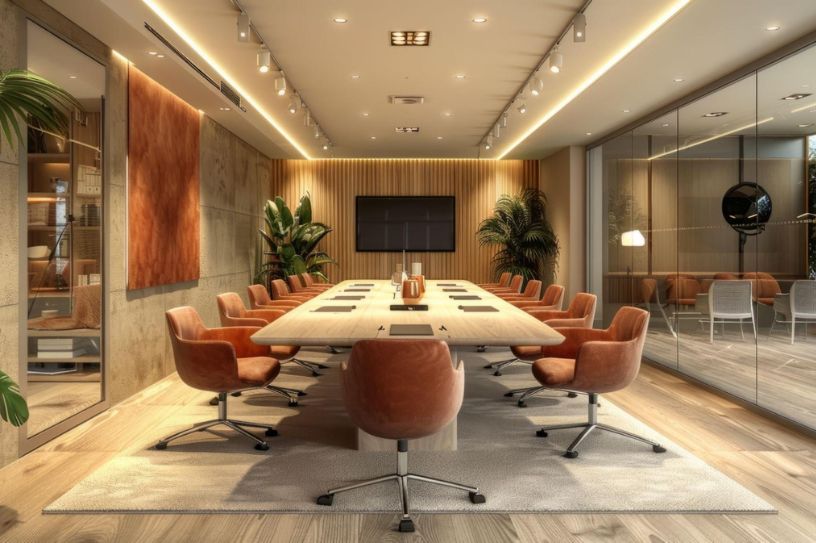
Meetings shouldn’t always mean formal boardrooms. Designing functional meeting room environments alongside informal collaborative office spaces promotes quick discussions and easy idea sharing. These thoughtfully planned spaces support teamwork while keeping focused work areas uninterrupted.
7. Employee Comfort & Wellness Areas
Employee-friendly office design has breakout zones, quiet corners, as well as wellness-focused spaces. Now, these areas help employees to be recharged mentally, reduce stress, and maintain energy level, and it directly supports long-term performance and job satisfaction.
8. Strong Brand Identity & Visual Appeal
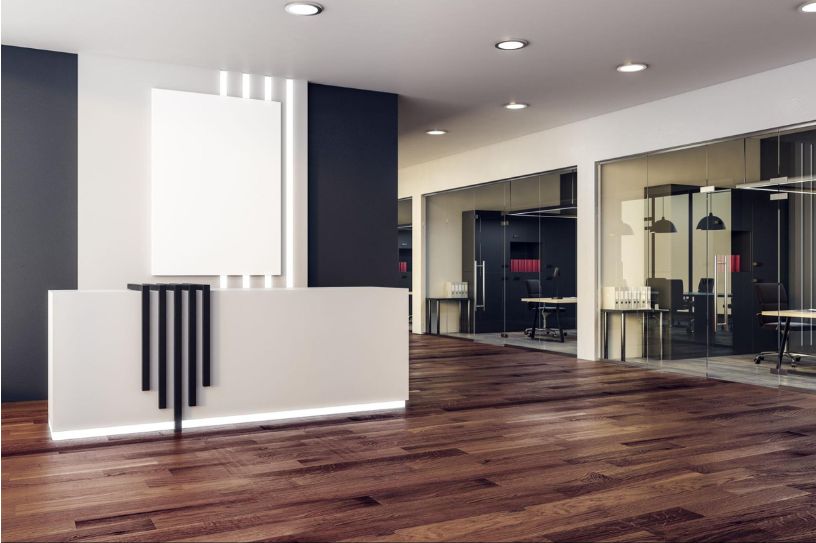
Do you know? Your office speaks a lot before your people do. Thoughtful corporate workspace design includes colors, materials, and layouts that show the culture and values of your company. If you have a strong visual identity, you can build pride internally and leave a lasting impression on clients and visitors.
9. Safety, Security & Compliance
On top of that, safety planning is also a core part of professional office design interiors. Clear exits, compliant layouts, fire safety measures, and secure access systems protect assets and ensure the office meets regulatory standards without even feeling restrictive.
10. Sustainable & Eco-Friendly Design
Sustainable office design primarily focuses on energy-efficient, responsible materials, and long-term operational savings. Eco-friendly office interior prevents environmental impact and creates a healthier indoor environment that benefits both your employees and the business.
The Role of Office Interiors in Business Growth
Well-planned office interiors have a direct role in how exactly a business operates, grows, and adapts. Strategic corporate office interior design creates environments that support people, processes, and long-term goals.
How office interiors drive growth:
-
Boosts daily operational efficiency
It boosts daily operational efficiency by reducing unnecessary movement, improving coordination between teams, and helps employees complete their tasks with greater speed and accuracy.
-
Improves employee retention and performance
Corporate, ergonomic, employee-friendly office design eliminates physical fatigue, increases job satisfaction, and promotes long-term commitment.
-
Builds stronger brand credibility
Professional and well-designed interiors smartly communicate stability, attention to detail, and reliability to clients, partners, and stakeholders.
-
Supports scalable business growth
Flexible office layouts and adaptable infrastructure allow companies to expand teams or restructure departments without even major disruption. Investing in flexible office furniture for workspaces allows companies to scale without major structural changes.
-
Encourages innovation and collaboration
Purpose-built collaborative zones make it totally easier for teams to exchange ideas, solve problems, and work creatively together.
Common Mistakes to Avoid in Corporate Office Design
Many issues arise from small decisions that seem completely harmless at first. However, they create long-term problems. And, avoiding these mistakes helps you build a workspace that truly supports people and performance. Here are a few common mistakes to avoid:
-
Focusing on looks over functionality: An attractive office fails if layouts slow movement or workstations feel restrictive during daily tasks.
-
Poor office space planning: Weak office interior planning leads to unused areas, overcrowding, and frequent layout changes as teams grow.
-
Ignoring ergonomics: Skipping ergonomic office furniture can increase fatigue, discomfort, and long-term productivity loss.
-
Overlooking acoustics: If you don’t have proper office acoustics in corporate design, noise becomes a constant distraction in shared spaces.
-
Rigid layouts with no flexibility: Fixed design makes furniture expansion expensive and disruptive.
-
Late technology integration: Treating technology as an add-on creates clutter and limits efficiency.
Choosing the Right Corporate Office Interior Designer
The right Corporate Office Interior Designer always does more than just make your office look good. Beyond that, they shape how your teams work, collaborate, and grow. Here are clear and practical tips in order to help you choose wisely:
-
Understand their approach to corporate office design
A strong designer begins with your workflow, team structure, and future plans, not just colors along with furniture catalogs.
-
Review experience in office interior planning
Always look for proven work in space zoning, circulation flow, and scalability across different business sizes.
-
Check knowledge of workspace functionality
You are designed to understand ergonomic, lighting balance, acoustics, and how daily operations actually take place on the floor.
-
Evaluate the design process and transparency
Clear timelines, realistic budgets, and regular updates show your company’s professionalism and reduce costly surprises.
-
Assess technology and infrastructure planning
A good interior designer plans cabling, power, and smart systems early and keeps the office clean and future-ready.
-
Ask about post-completion support
Their ongoing guidance after handover shows confidence in their office design solutions.
Conclusion
A thoughtfully designed corporate office is truly more than just a good-looking space. It’s something like a strategic business asset. Everything, from smart layouts and ergonomic options to technology integration and brand-aligned interiors, shapes how people work and grow.
Strong corporate office interior design improves overall focus, collaboration, and long-term efficiency while showing your company’s values. When guided by experienced corporate interior designers, your workspace becomes adaptable, future-ready, and built to support both performance and business expansion without even constant redesign.
Partnering with an experienced team like Serein Spaces ensures your office design decisions are practical, future-ready, and aligned with how modern businesses actually operate.