

Gaurav Chaudhary
Founder & Managing Director, Serein Spaces
Running a business in a poorly designed office is just like driving a high-performance car on broken roads. The engine is really strong, the people are capable, but progress feels slower and even more exhausting than it exactly should. Nothing is technically “wrong”, yet every day comes with unnecessary frictions. That’s what happens when an office is planned without even understanding how work actually flows.
This is why hiring an office interior designer makes a real difference. A professional office interior doesn’t start with finishes or furniture. They actually start with movement, tasks, and interaction. Through smart office space planning, ergonomic office design, and workflow-driven layouts, they precisely create environments that support people rather than slowing them down.
In this blog, we’ll cover the key benefits of hiring an office interior designer, covering productivity, branding, employee well-being, cost efficiency, flexibility, along with long-term business value.
Why Do Businesses Need Professional Office Interior Design Services?
Office design makes its impact on how smoothly your team works, collaborates, and grows every day. Professional office interior design services help business owners prevent daily friction by planning spaces around real workflows and future needs. Here’s a detailed view on why you need professional services:
-
Unplanned layouts slow teams down: If your space planning is poor, then it can result in wasted movement, constant interruptions, and inefficient daily routines.
-
Workflows need to feel effortless: Thoughtful office layout optimization supports collaboration and overall focus without even forcing your teams to adjust their habits.
-
Employee comfort impacts performance: Ergonomic office design reduces fatigue, posture-related issues, along with long-term health concerns that affect productivity.
-
Compliance errors create risk: Proper planning ensures fire safety, electrical systems, and building regulations are properly addressed from the beginning.
-
Offices must evolve with the business: Flexible office design allows easy expansion, reconfiguration, and technology upgrades as needs change.
Top Benefits of Hiring Office Interior Designer
1. Strategic Space Planning and Layout Optimization
-
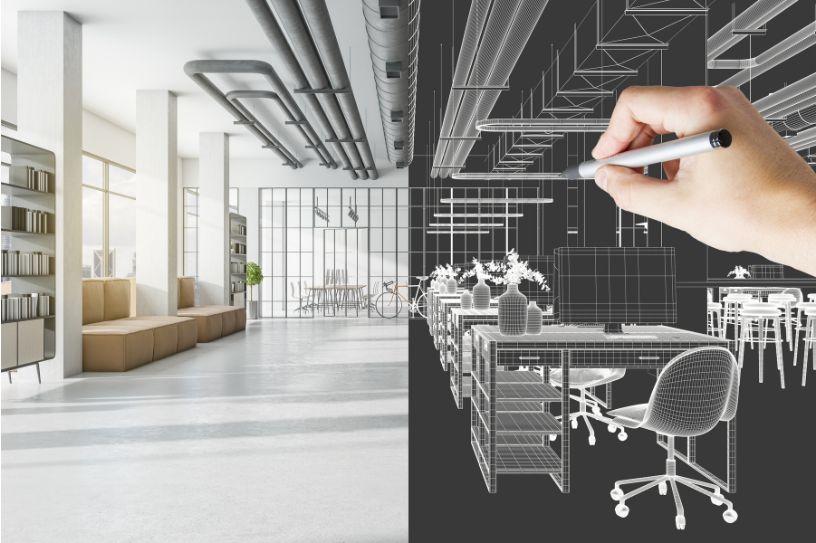
Efficient Use of Available Space: Every corner of the office is perfectly planned to be functional, with smart Office Workstation placement, integrated storage, and unused areas turned into productive spaces for teams.
-
Smooth Workflow and Movement Planning: Meeting rooms and workstations are positioned in order to minimize disruptions, and clear circulation paths that ensure employees move efficiently without even interfering with focused or collaborative work zones.
-
Balance Between Collaboration and Privacy: Open areas actually promote teamwork, private zones support concentration, and flexible layouts avoid overcrowding, and ensure employees can collaborate or focus comfortably whenever required.
2. Strong Brand Identity and Professional Image
-
Reflecting Company Values Through Design: Utilizing brand colors, textures, and materials consistently throughout the office ensures every space communicates your company’s value, culture, along with professionalism, and creates a cohesive environment that employees and visitors immediately recognize.
-
Creating a Memorable First Impression: The reception area sets the true tone for clients and partners. Thoughtful design, clean layouts, as well as consistent branding build trust and demonstrate professionalism while leaving lasting positive impressions from the very first step.
3. Increased Employee Productivity
-
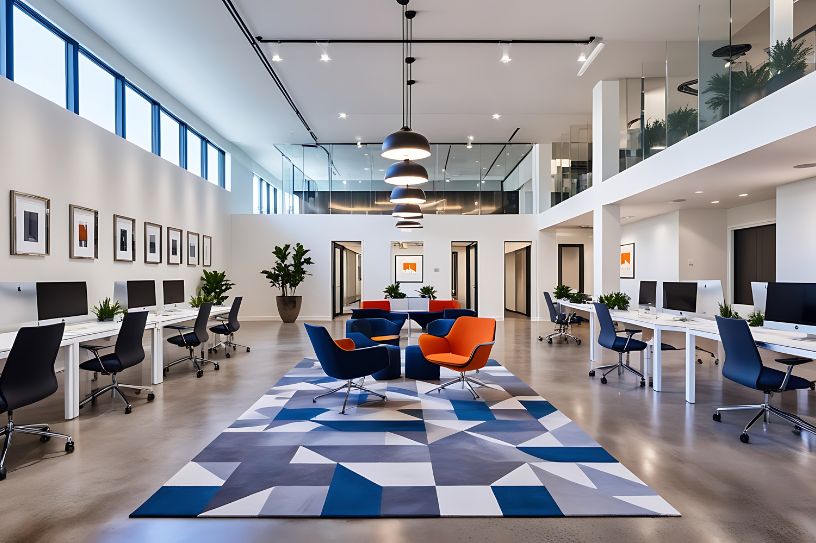
Ergonomic Workstations: Workstations precisely designed with adjustable chairs, desks, and equipment reduce strain and fatigue, and keep all of your employees comfortable, focused, and productive throughout long workdays.
-
Proper Lighting and Acoustic Design: Perfectly balanced natural and artificial lighting blended with noise control solutions reduces distractions, reduces eye pressure, and ultimately creates a workplace that supports concentration and efficiency. A well-planned False ceiling design for office spaces further enhances lighting distribution, improves acoustics, and gives the workplace a clean, professional finish.
4. Improved Employee Well-Being and Satisfaction
-
Healthy Work Environment: If your office has such a design in which air circulation is good, natural daylight, and comfortable ergonomics creates a workplace that really supports employee focus, reduces fatigue, and encourages overall well-being and energy. Thoughtful use of modern office color trends also plays an important role in influencing mood, reducing stress, and enhancing overall workplace comfort.
-
Breakout and Relaxation Areas: Dedicated lounges and informal zones give employee opportunities to take meaningful breaks, exchange their valuable ideas, and recharge mentally, fostering creativity, collaboration, and a more positive, motivated workplace culture.
5. Cost Control and Budget Efficiency
-
Preventing Expensive Design Errors: Careful planning, smart layout decisions, and opting for durable materials really help you avoid costly mistakes, reduce rework, and make sure the office is totally functional and efficient from the start.
-
Long-Term Cost Savings: Integration of energy-efficient systems, quality materials, thoughtful budgeting, lessens running costs, minimizes maintenance preferences, and ensures that your office remains a practical, sustainable investment for years.
6. Access to Professional Expertise and Resources
-
Vendor and Contractor Network: Professional designers truly bring trusted suppliers and reliable contractors, and ensure that project execution is smooth, delivery is faster, and access to industry connections is well-established that save both time and money.
-
Quality Material Selection: Designers utilize their expertise in order to choose high-quality, durable materials, oversee installation, maintain strict quality control, and ensure the office looks professional and lasts longer.
7. Compliance with Safety and Building Regulations
-
Workplace Safety Standards: A professional office interior designer ensures that all workplace interior design elements meet safety standards. Furthermore, fire safety planning, clear execution routes, and hazards prevention safeguards employee and operational efficiency.
-
Legal and Structural Requirements: Compliance with electrical layouts, building codes, along with structural standards prevents costly modifications, lessens liability, and ensures that the office is safe, functional, and prepared for long-term usage.
8. Future-Ready and Flexible Office Design
-
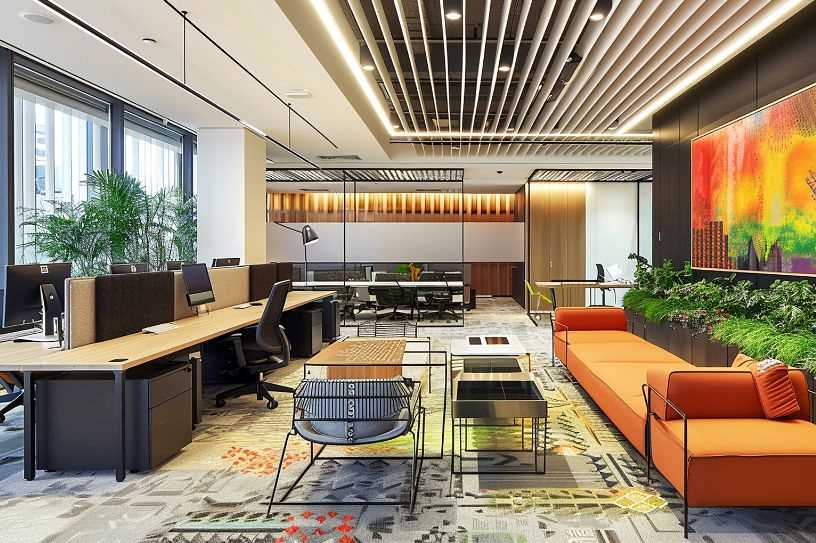
Scalable Layout Planning: Scalable layouts enable the office to grow with your team. Here, modular furniture and flexible spaces can be easily reconfigured as a business needs any changes or expansion.
-
Hybrid and Modern Work Adaptability: Hybrid-ready offices integrate multi-functional meeting areas and technology, and allow seamless collaboration and productivity for both in-office and remote employees.
9. Higher Return on Investment (ROI)
- When you invest in professional office interior designer services, it delivers tangible long-term benefits. A well-designed office not only focuses on increasing property value but also enhances the overall appeal of your workplace.
- A thoughtfully planned corporate office design attracts top talent by creating such an environment that truly feels professional, comfortable, and inspiring. Here, employees are more likely to be engaged, boosting retention and reducing recruitment costs.
- Moreover, clients and partners notice the attention to detail and visual consistency, and it strengthens trust and reinforces your brand image. Just by combining design with aesthetics, professional office interiors contribute directly to both business growth and long-term ROI.
How to Choose the Right Office Interior Designer?
The best office interior designers turns ideas into efficient, stylish workplaces, optimizing space, boosting productivity, and creating an office that impresses employees and clients alike:Here are 5 steps to select the best office interior designer:
-
Evaluate Experience and Expertise
The first step includes looking for designers with proven experience in corporate office design. Check their portfolio in order to make sure that they’ve managed projects that are similar in size, style, and complexity.
-
Assess Design Approach and Creativity
A skilled designer smartly balances aesthetics as well as functionality. Your hired designer should propose solutions for ergonomic office design, modern office layouts, and flexible workspaces, and reflect the identity of your brand.
-
Check References and Reviews
Just talk to previous clients or read testimonials in order to gauge reliability, professionalism, along with the designer’s ability to meet deadlines, budgets, and project expectations.
-
Verify Vendor and Resource Access
Professional designers always bring trusted suppliers, modular furniture systems, as well as quality materials, and ensure office renovation services are seamless, cost-effective, and executed with high standards.
-
Discuss Budget and Project Management
A transparent discussion about budget, timelines, and project coordination helps keep far away from surprises. Ensure the designer can deliver value and maintain quality and adherence to safety regulations.
Conclusion
Transforming your office into a productive and visually appealing space requires careful planning and expertise. When businesses Invest in office interior design, they create a workspace that supports productivity, strengthens brand identity, and drives long-term growth. From office layout optimization to ergonomic and modern corporate office design, a professional approach boosts productivity, employee satisfaction, and brand image. Serein Spaces delivers innovative, flexible, and efficient office interiors that leave lasting impressions on clients, support long-term growth, and create workspaces that truly reflect your company’s values.

